
ソリューション
6秒から 6リールまで。
同じデータモデルでソーシャルスポットも長編映画も動きます。変わるのはスループット、予算、各ショットに割く人間レビュー量であり、基盤となる制作アーキテクチャではありません。
制作 クラス
ターゲットを選べば、プラットフォームが標準ワークフロー、品質レベル、レビューの深さを自動で調整します。
| クラス | 尺、ワークフロー、品質目標 |
|---|---|
| 広告/ソーシャル向けシネマティック | 6〜90秒。テンプレート駆動の編集で高速生成し、1080pまたは4Kで納品。 |
| トレーラー/ティーザー | 30秒〜3分。ヒーローショット中心で、1秒あたりのビジュアル品質を最大化。 |
| 短編映画 | 3〜30分。フェスティバルやOTTに対応できる標準で、完全なコンテニュイティ管理と編集。 |
| エピソード | 20〜60分。キャストと世界の状態をエピソード間で保持し、シリーズ全体の整合性を維持。 |
| 長編映画 | 80〜140分。ショットファクトリー型生成と、劇場用またはOTTマスターまでの編集パイプライン。 |
| プリビズ | 任意の長さに対応。構図やブロッキングを優先し、忠実度よりも低コスト・高速なモデルを使用。 |

シックスセカンズ
広告は、到底届かない基準にさらされた一つのショットです。
短尺の仕事はヒーローショットの仕事です。わずかなフレーム数に、秒単位で重いチェックが入り、クライアントはそのすべてを見る前提です。
あらゆる ロール用ワークスペース
従来の映画制作の職能を、汎用的な席ではなく実際の権限にマッピングすることで、新しい用語を覚えなくてもプロがそのまま作業できます。




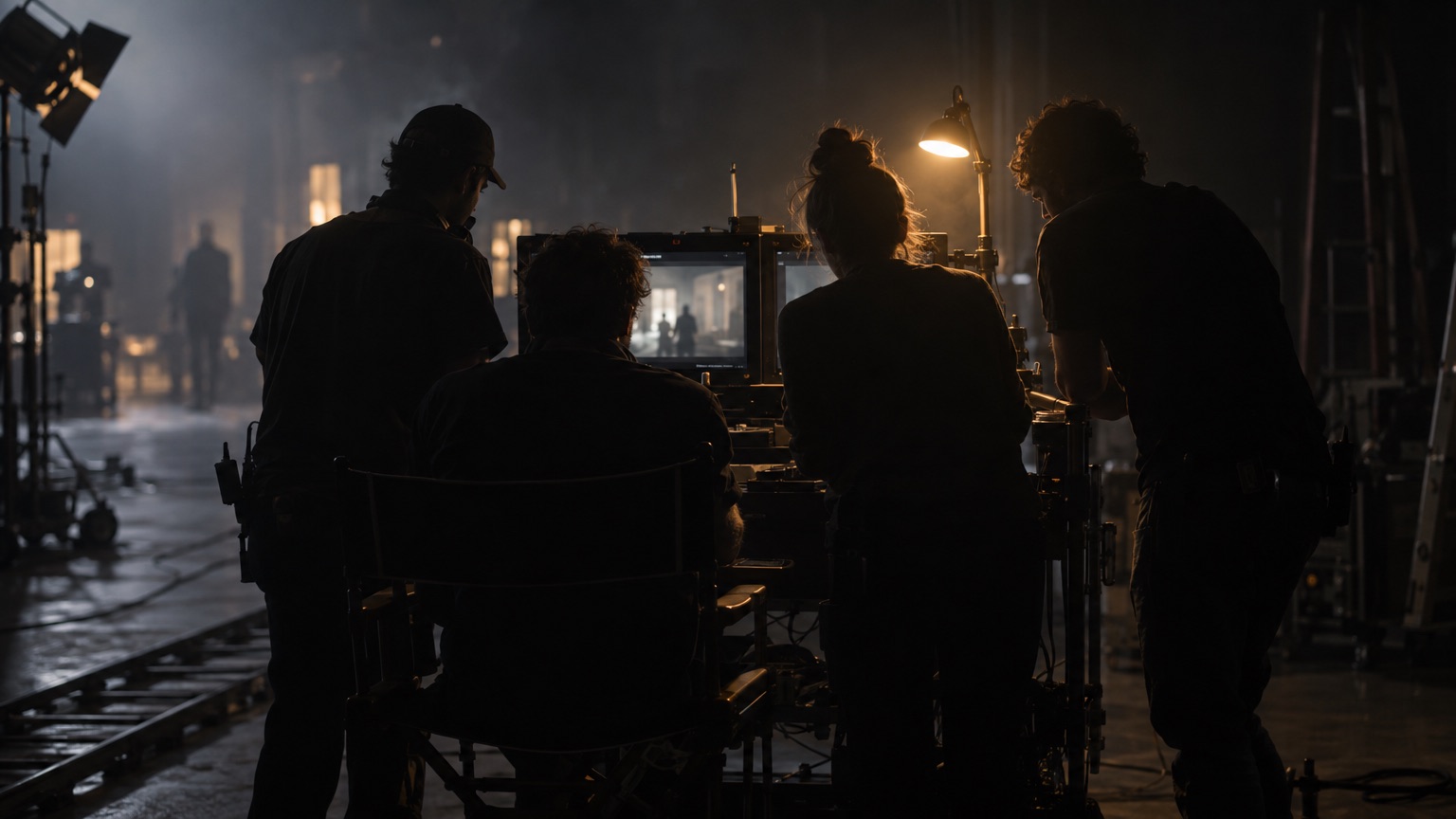
すべての職種
ひとつのプロダクションに七つの入り口。
従来の映画制作の役割を汎用シートではなく実際の権限に対応させることで、撮影監督とプロデューサーが同じ映画を別々の仕事の視点から見られるようにする。
シーケンスから 長編へのスケール
最初の成果物が数分でも、長編スケールを前提に設計されています。
シーケンスから始める
最初の目標として適切なのは、リカーリングキャスト、複数ロケーション、会話、複雑なアクションを1つ含む、3〜5分の制御されたシーケンスです。長編の運用負荷なしに、ほぼすべての制作リスクを検証できます。
エピソードへ拡張
同じキャラクター、世界、コンテニュイティ状態が引き継がれるため、第2話はキャストと世界を作り直すのではなく、既存のものから始められます。
長編へスケール
100〜120分の映画には、およそ1,200〜2,500の最終ショットが含まれます。制作の単位はあくまでショットなので、スケールの問題はリライトではなくスループットになります。

シックスリール
長編は同じユニットが千二百回並んだものです。
長編になると、課題は生成ではなくスループットになります。シーンをまたぐコンティニュイティ、レビューの追従性、そして予測可能なコストです。